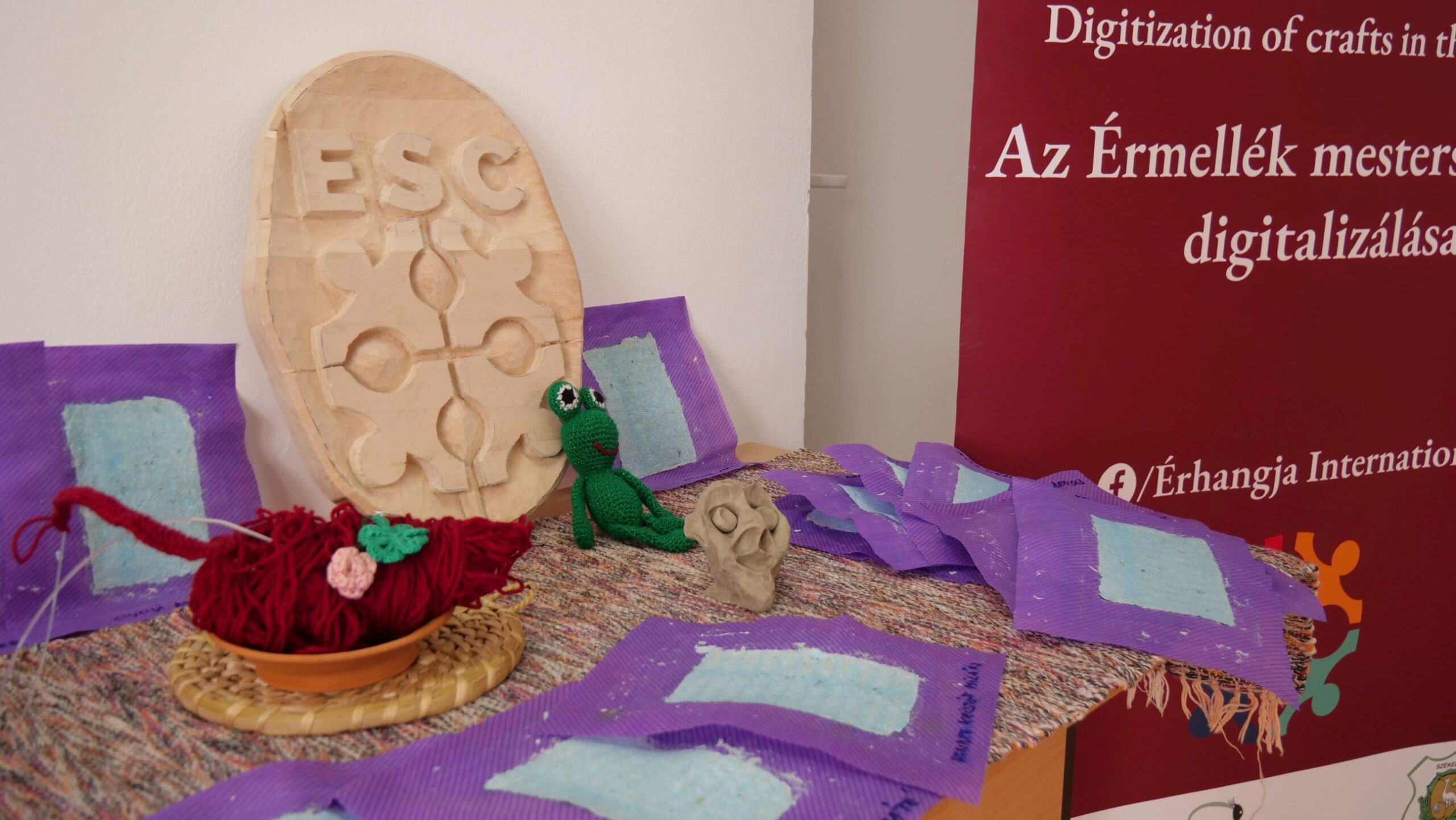
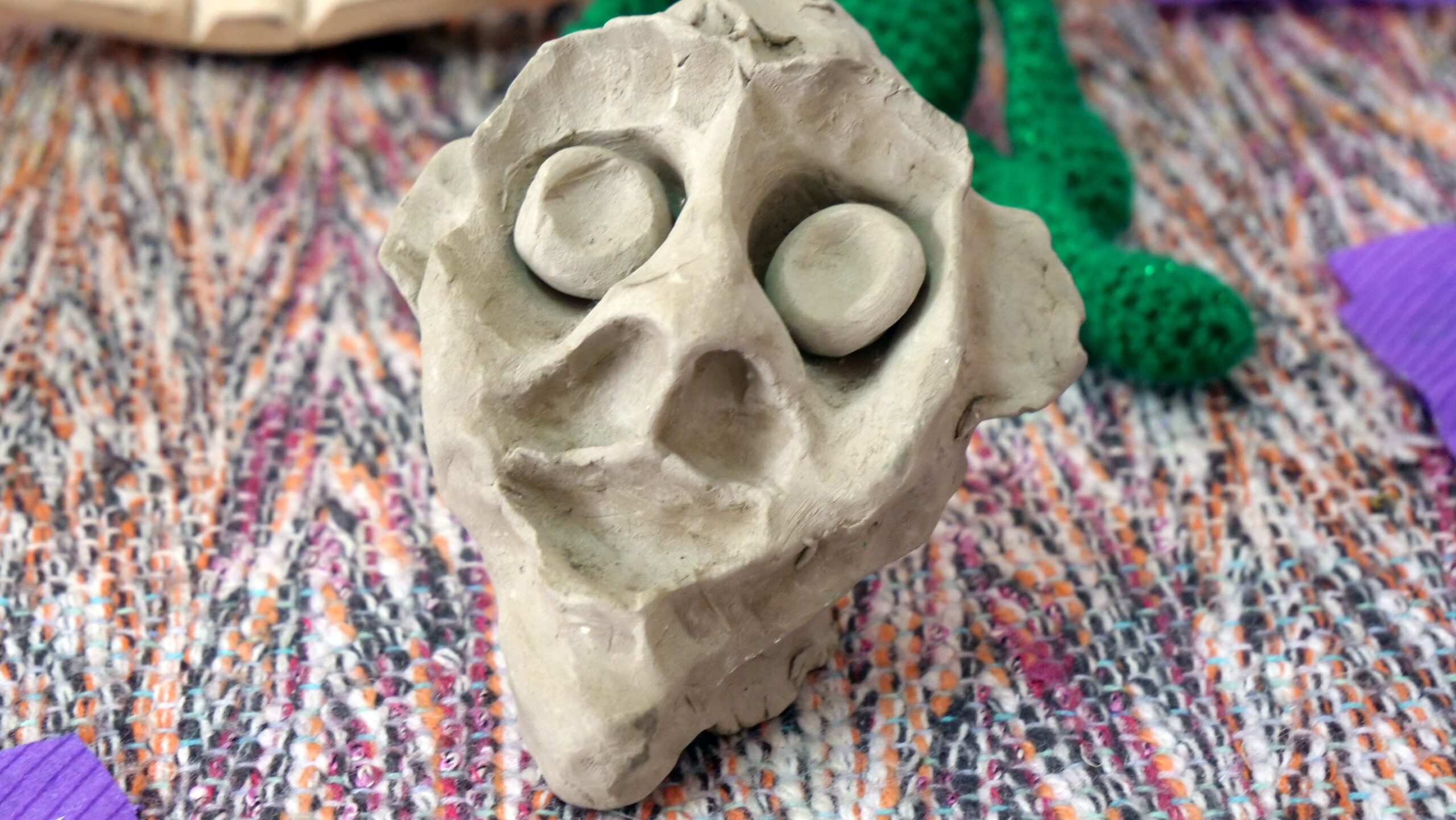
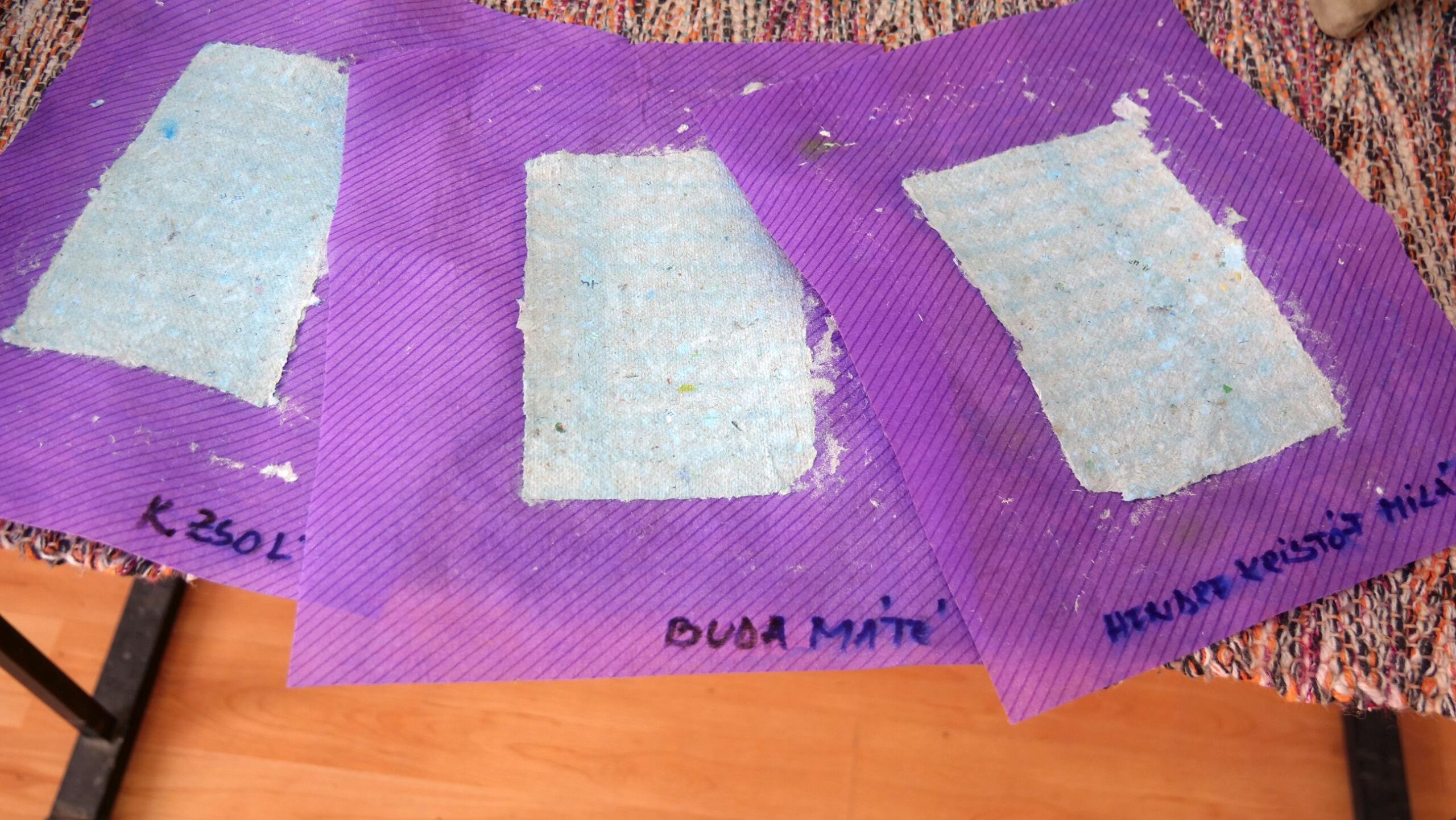
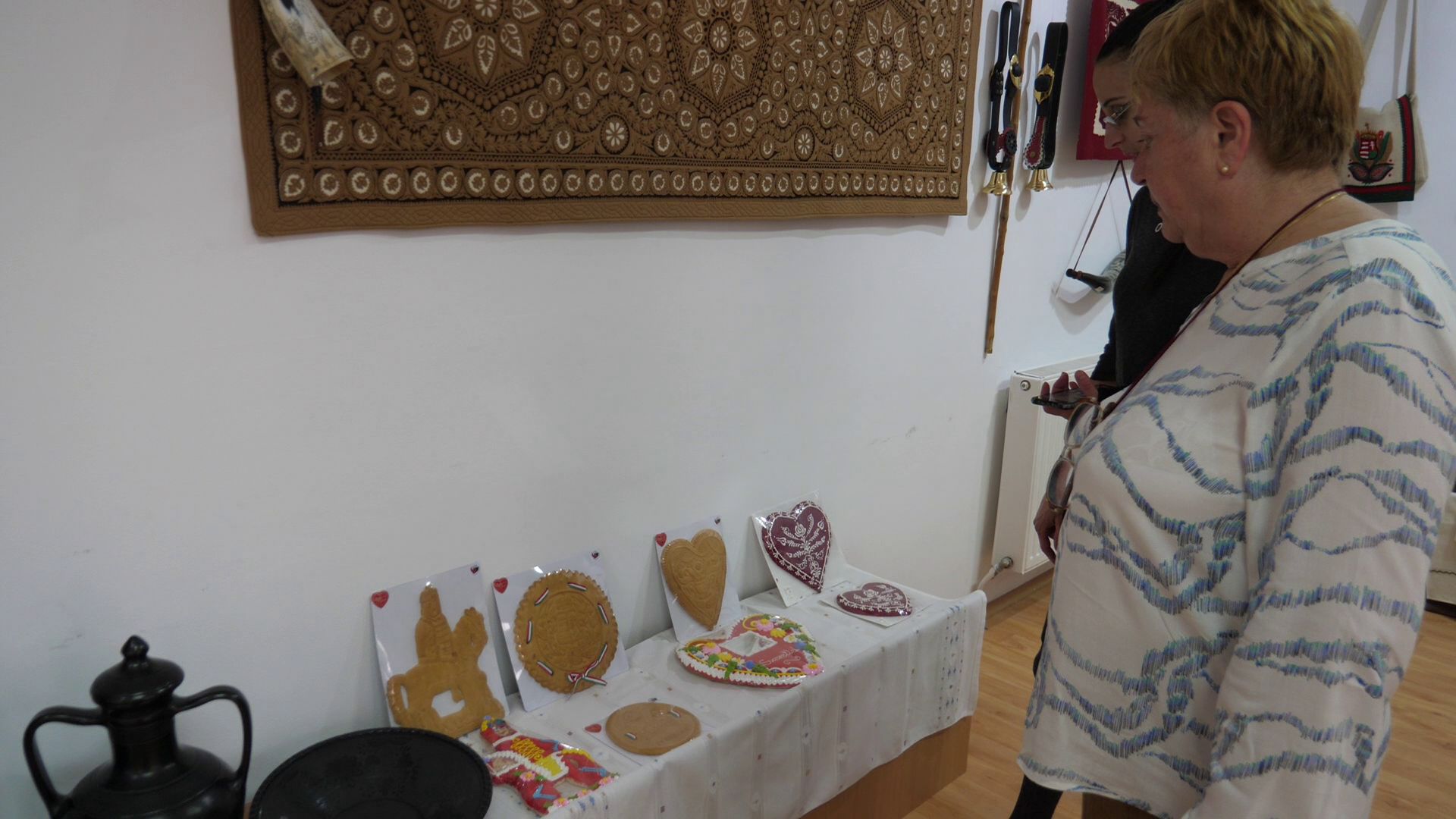
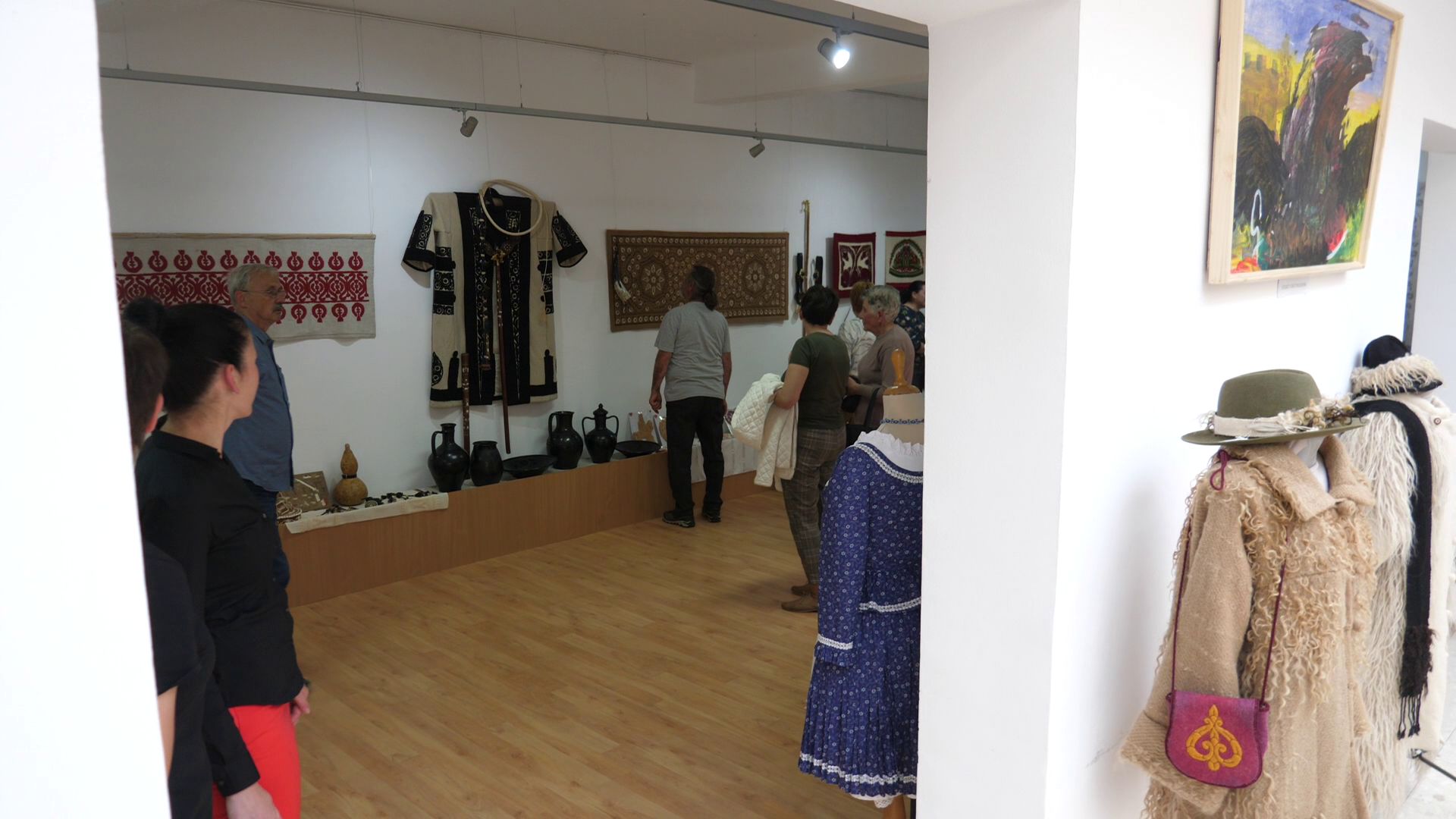
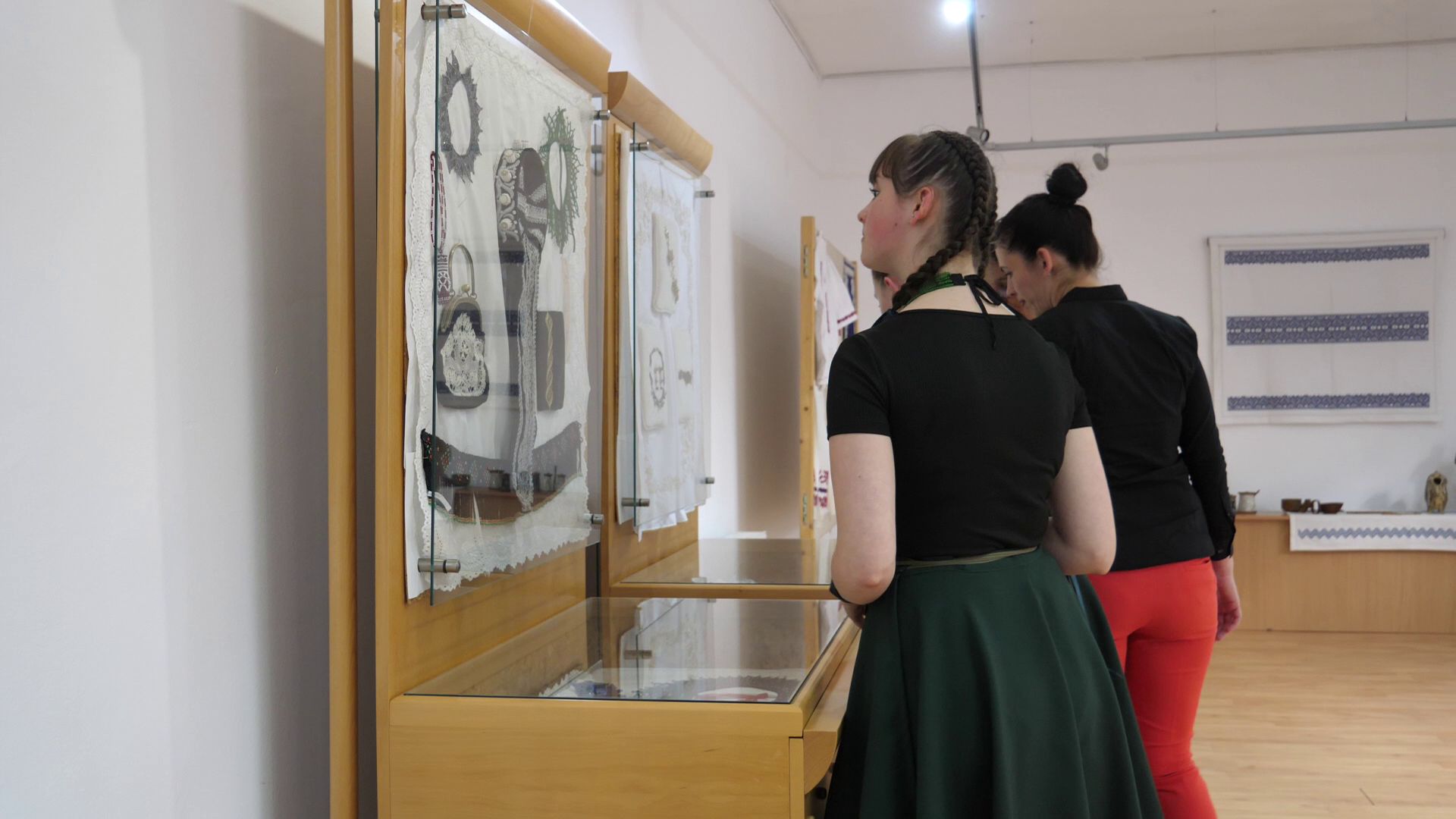
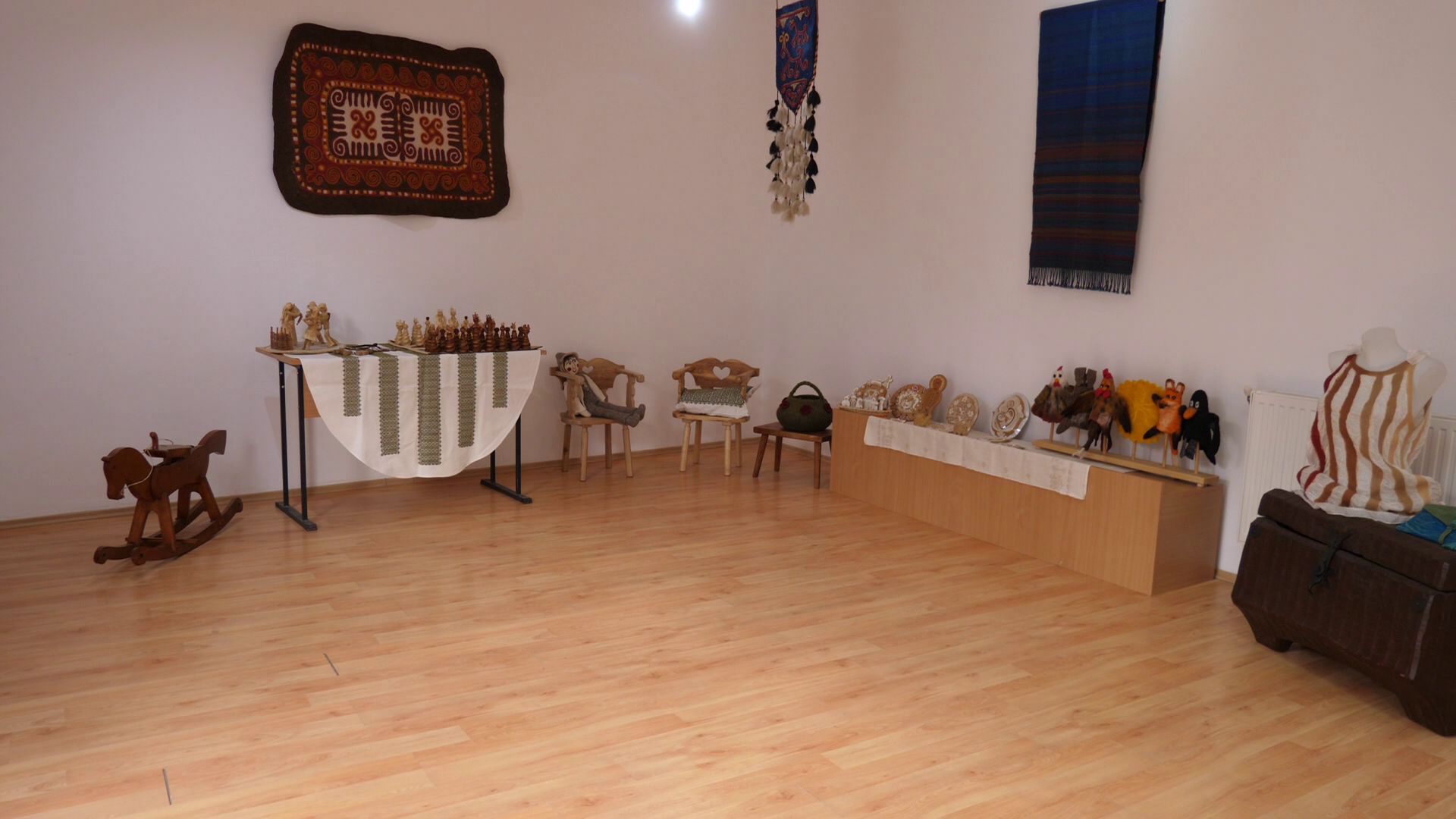
A mini-exhibition marked the final event of the Craftalization – Digitization of Ier Valley Crafts project in August. As previously reported, the year-long project aims to strengthen the cultural identity of ethnic minorities through the revitalisation, revival and digitisation of eight crafts in the Ier Valley, as well as to involve young students in home-based activities initiated and implemented by them in their local communities, which naturally lead to positive changes. In addition, the initiative also aims to increase the tourist attractiveness of the area. The children involved in the project were able to try their skills in the following craft activities: making recycled paper by hand, weaving carpets using recycled textiles, making homemade noodles, pottery, making wooden models, wood carving, crochet, corn husk weaving.
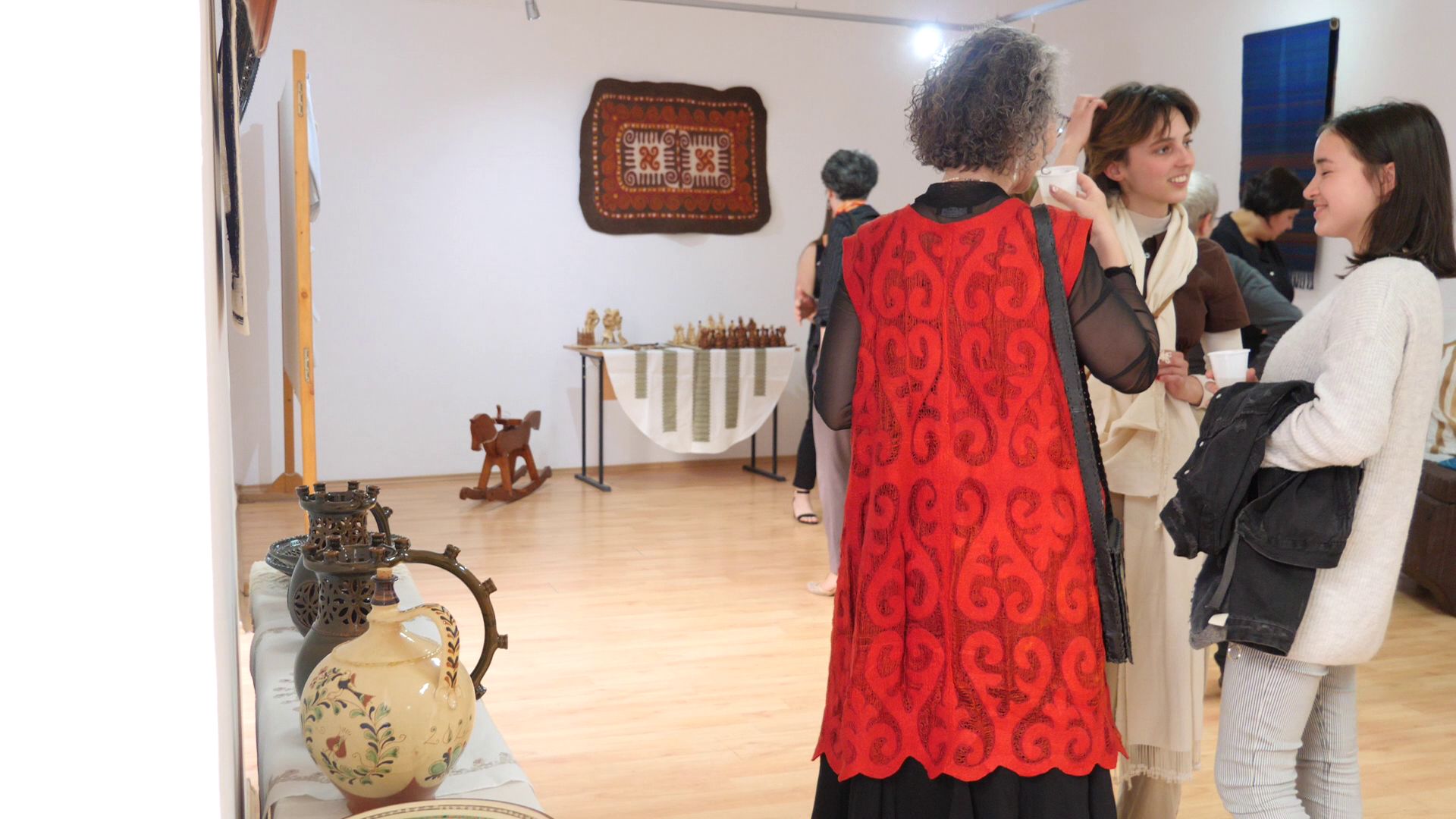
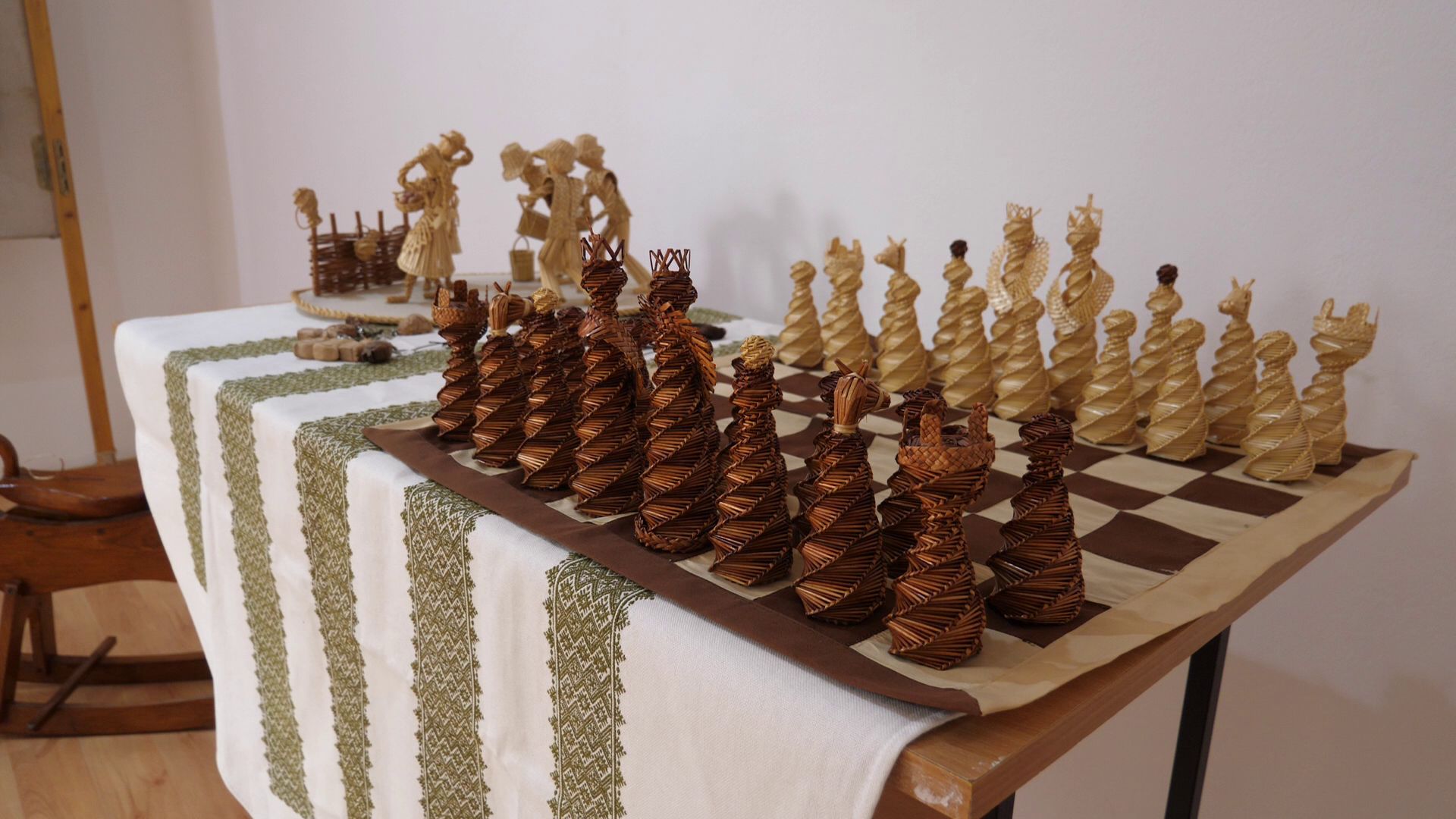
Some of the handicrafts created during the workshops were exhibited at the highly successful folk art exhibition in Săcueni in mid-July. Although the young people mostly took home the finished works, there were also some carpets and wood carvings that they helped to make, as the project also aimed to give them the opportunity to try out crafts that are now very rare and slowly being forgotten in the Ier Valley region. The objects created by the craftsmen and young people were exhibited at the stand of the Săcueni museum, set up for this purpose. During the final event, documentaries were shown about the crafts created in the project, whose main aim is to digitize, archive, preserve and use for educational purposes the traditions inherited from the past. The organisers also presented the objectives and results of the project. The event was supported by the European Solidarity Corps (ESC) through the project “Craftalization – Digitization of the crafts of the Ier Valley” of the ÉrHangja Association and aims to raise public awareness of the importance of the traditions of Ier Valley.
The project was made possible with the support of the European Solidarity Corps, implemented by the Ér Hangja Association, in partnership with the Petőfi Sándor High School and the Săcueni Town Hall.