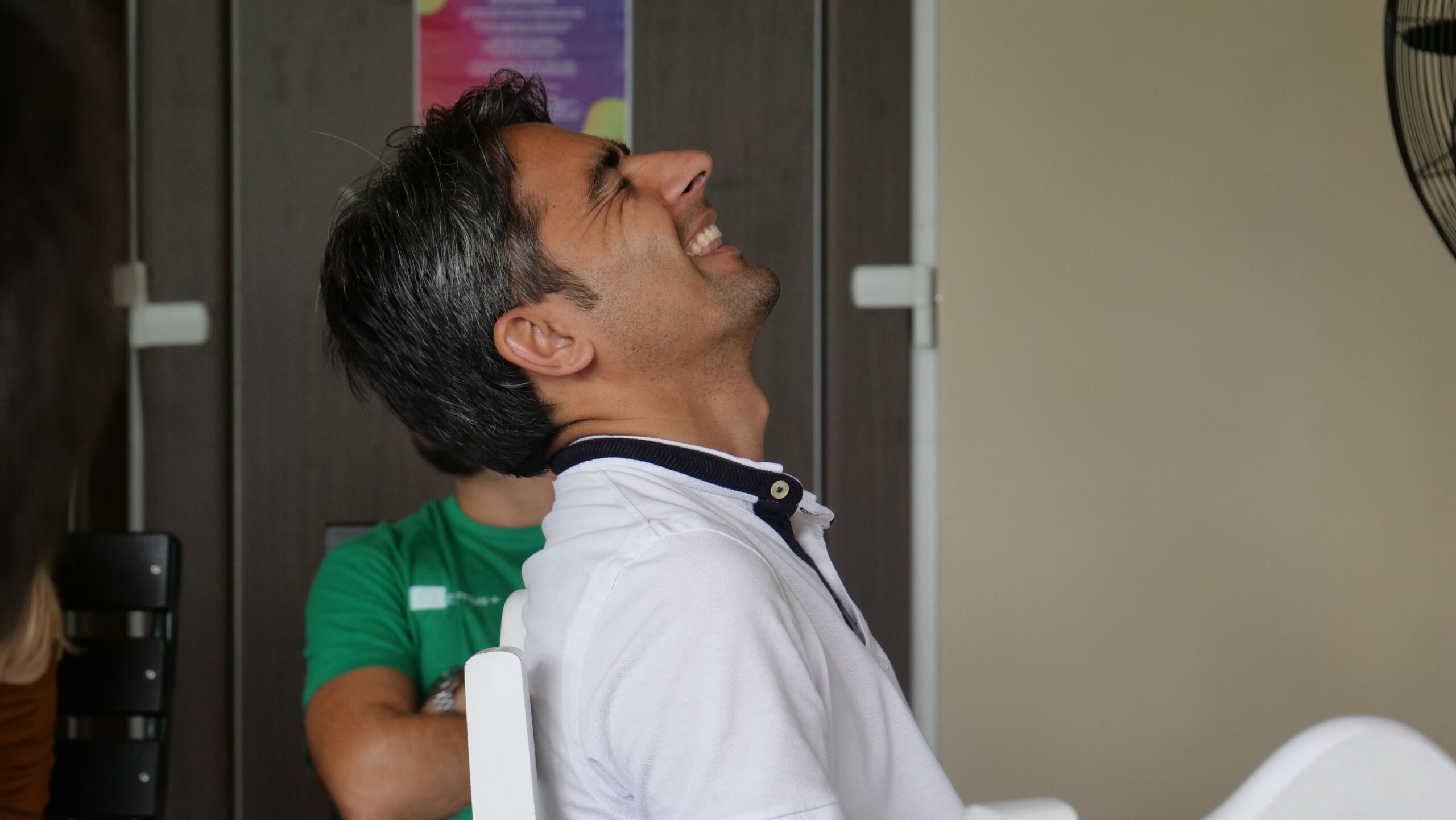
A youth exchange programme with 33 participants from four countries took place in our town from 26 July to 5 August. Participants from Hungary, Italy, Spain and Romania took part in a 10-day project entitled “The Media-Maze: Know It, Use It!” (as part of Ér Hangja’s winning project).
The activities in English were divided into two main blocks each day: an intensive morning block with theoretical and practical lectures and activities closely related to the project theme, and an afternoon block with in-depth activities, also related to the morning block, but in a more practical and playful way.
With the rapid development of technology, the internet is becoming more and more accessible to everyone, as users are confronted with an avalanche of information on various channels. But this is often misleading, fake news, information that needs to be filtered. At the same time, young people – who spend most of their time on social media and are therefore exposed to many online dangers – are often not taught to use the internet consciously.
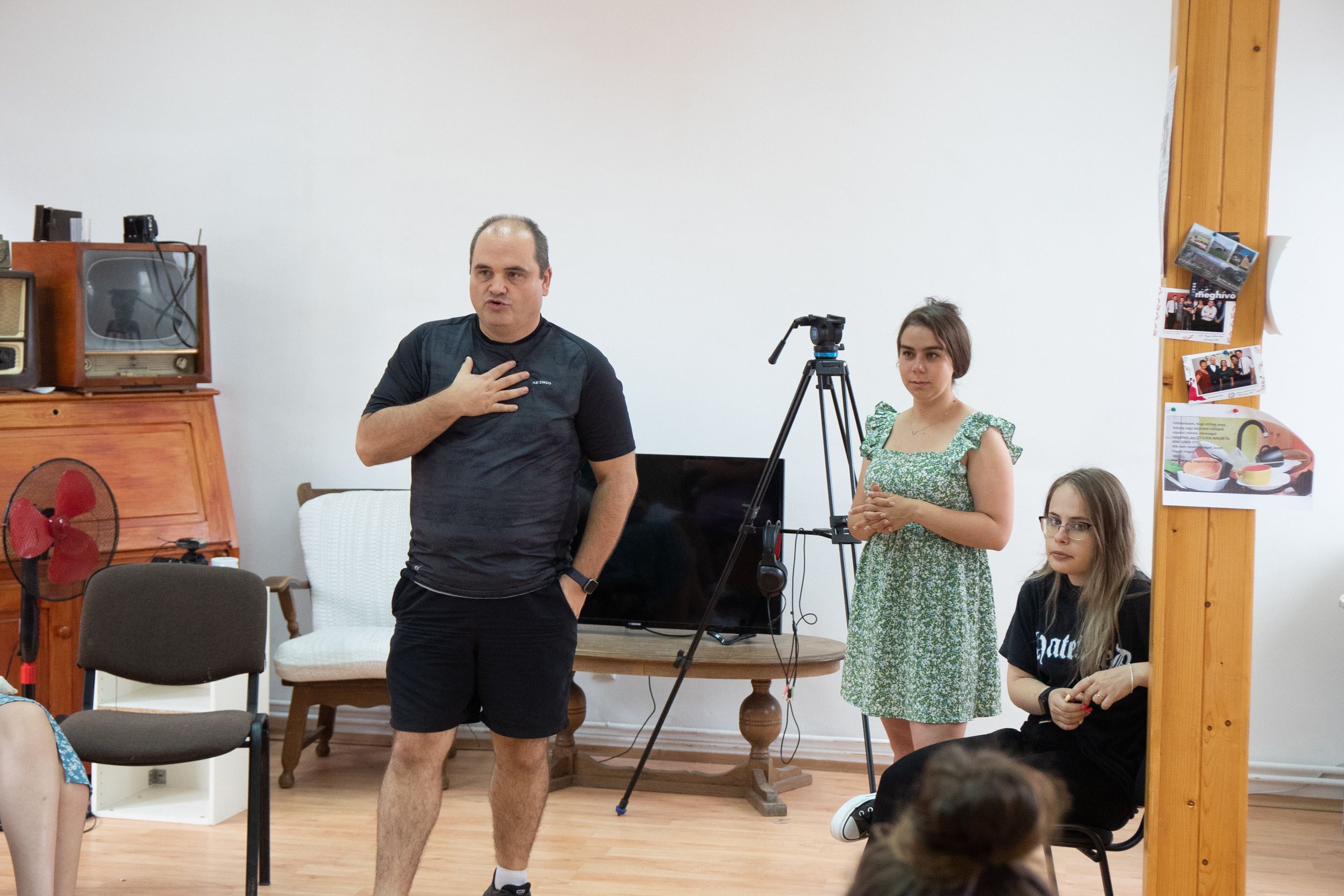
Several different aspects of media mazes have been examined
Therefore, during the youth exchange programme, facilitators and participants explored topics such as: digital skills and fake news recognition, filtering information disseminated online through educational and non-formal methods, protecting human rights online, lack of knowledge about the beneficial use of social media, cyberbullying and fake news, multiculturalism, promoting tolerance, equality and non-discrimination and exploring new traditions and cultures among young people.
On the first day of the project, the focus was, of course, on getting to know each other and team-building games, but from the second day onwards, the young people were given serious tasks, when the main topic was fake news, which the participants explored with the help of pictures, news and websites. Representatives from the four countries also had a common task: they had to create different stories from pictures and videos taken in the Săcueni market, which they presented to each other and then evaluated in the afternoon.


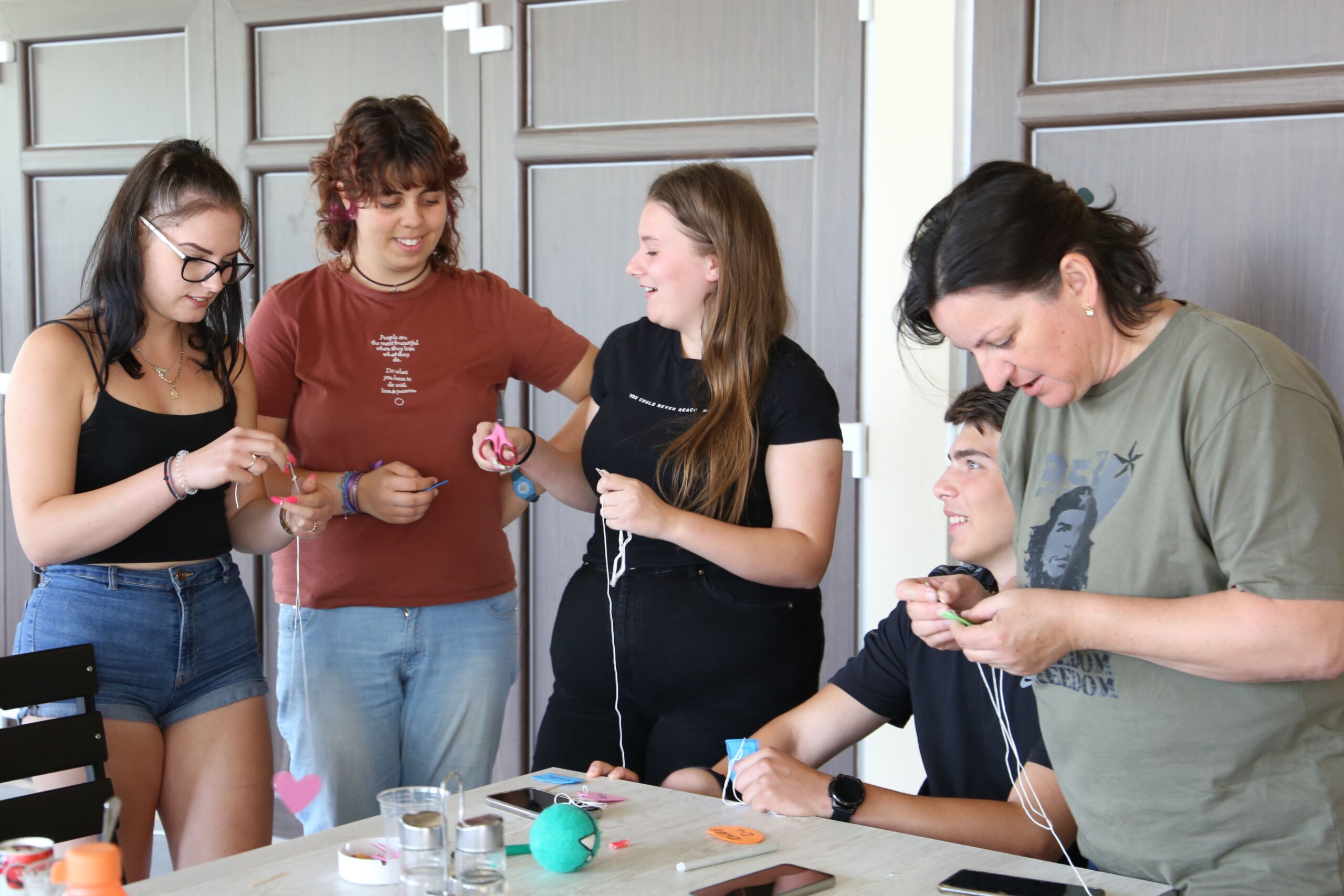
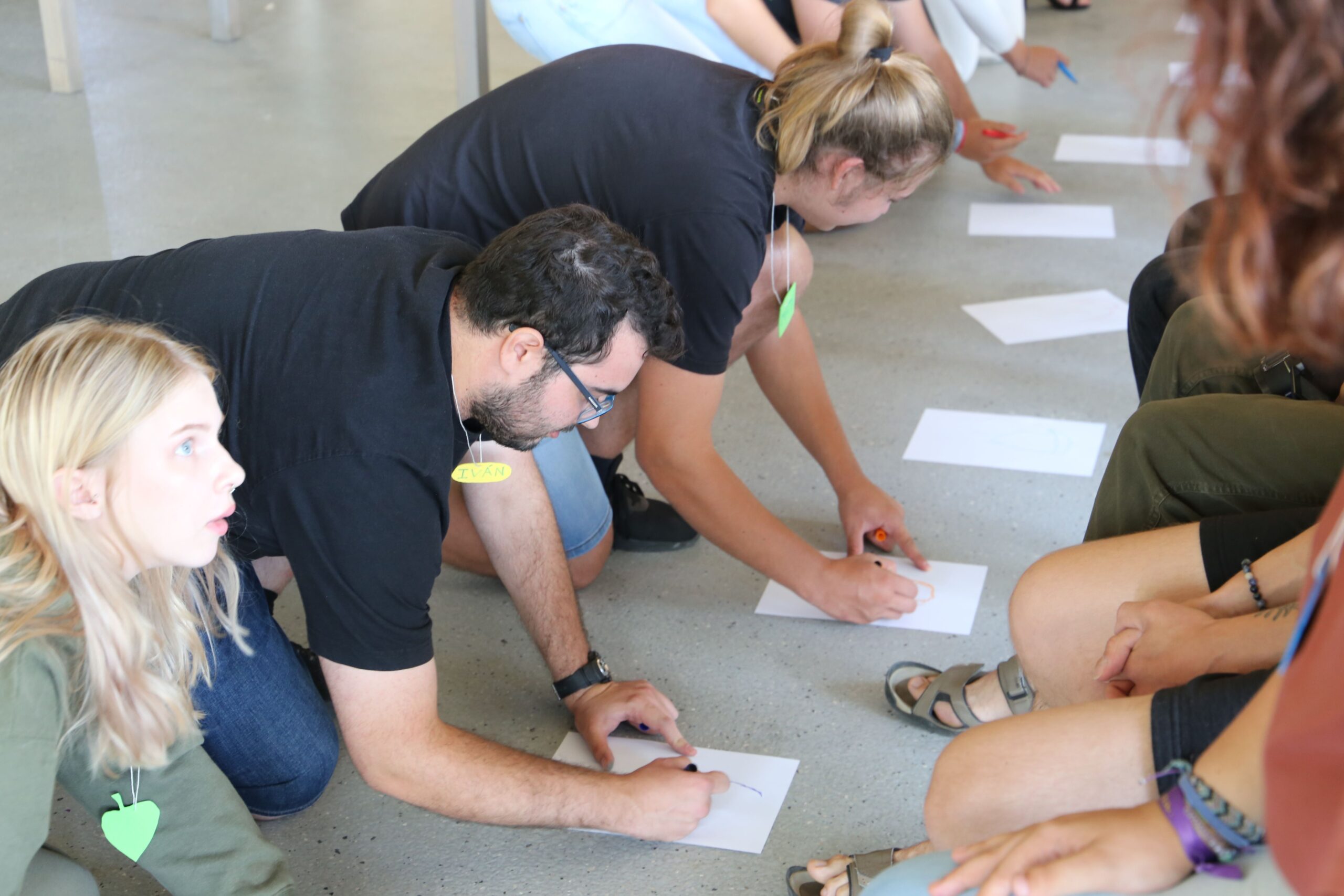
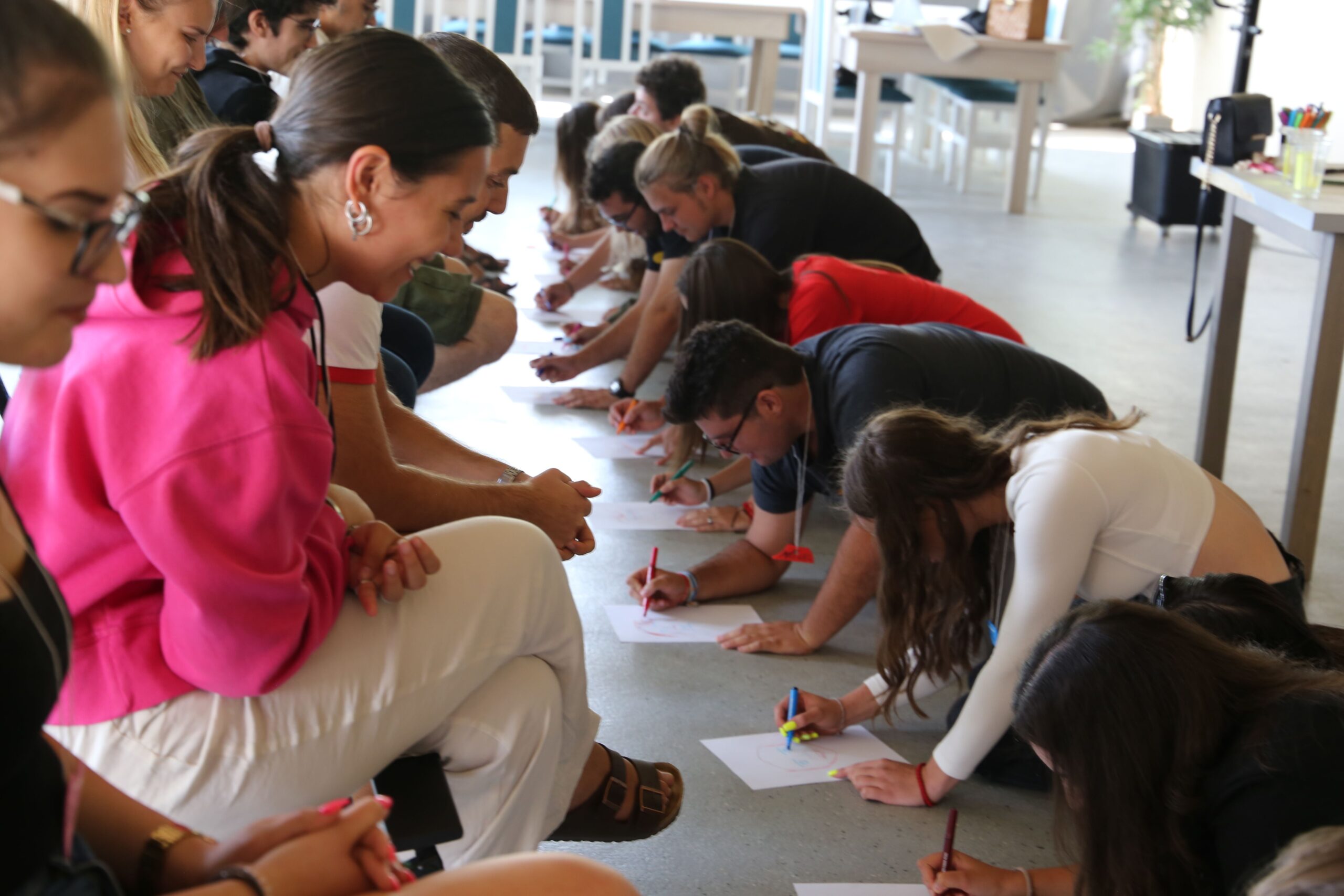

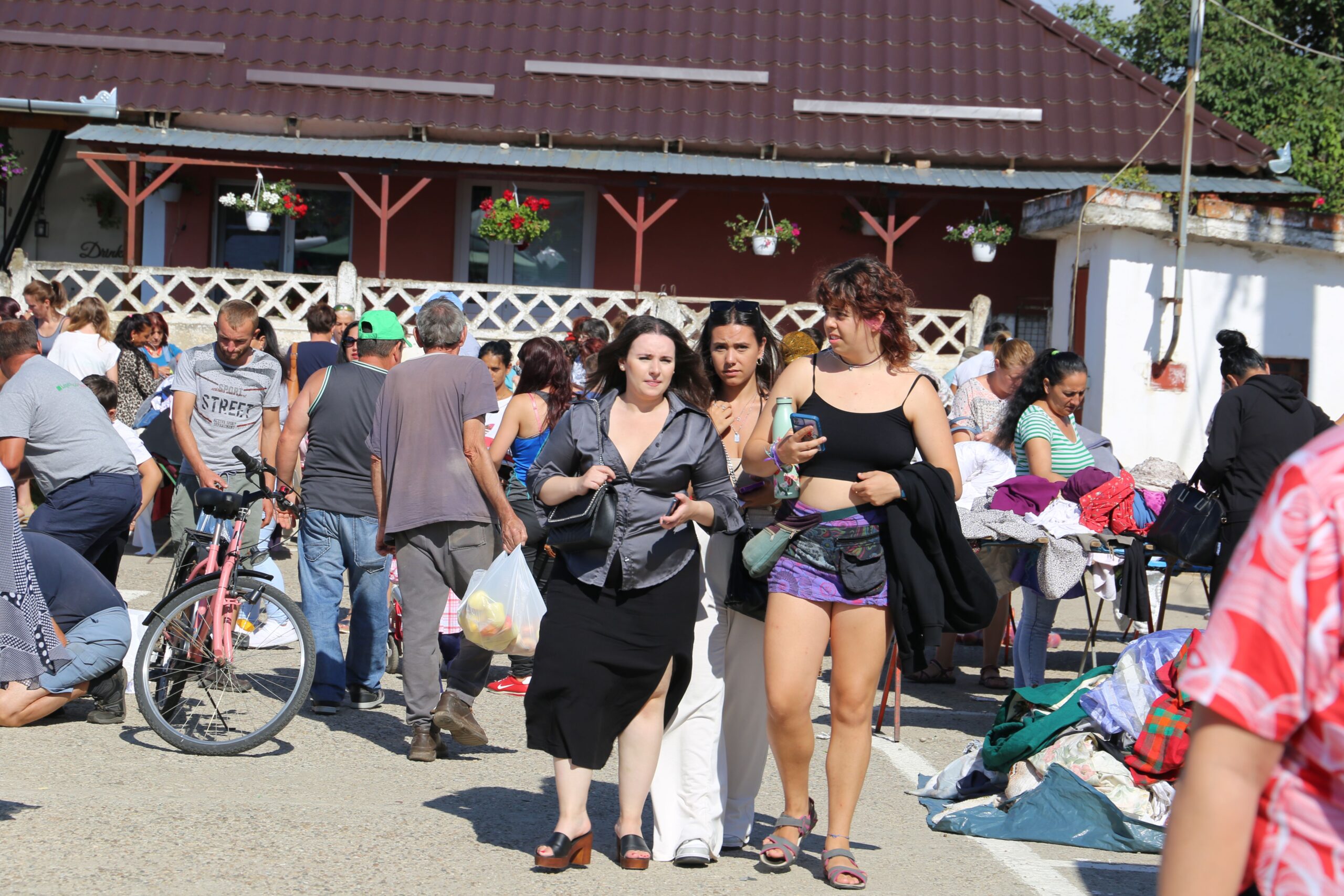
The young people made videos, interviews, podcasts and newspaper articles.
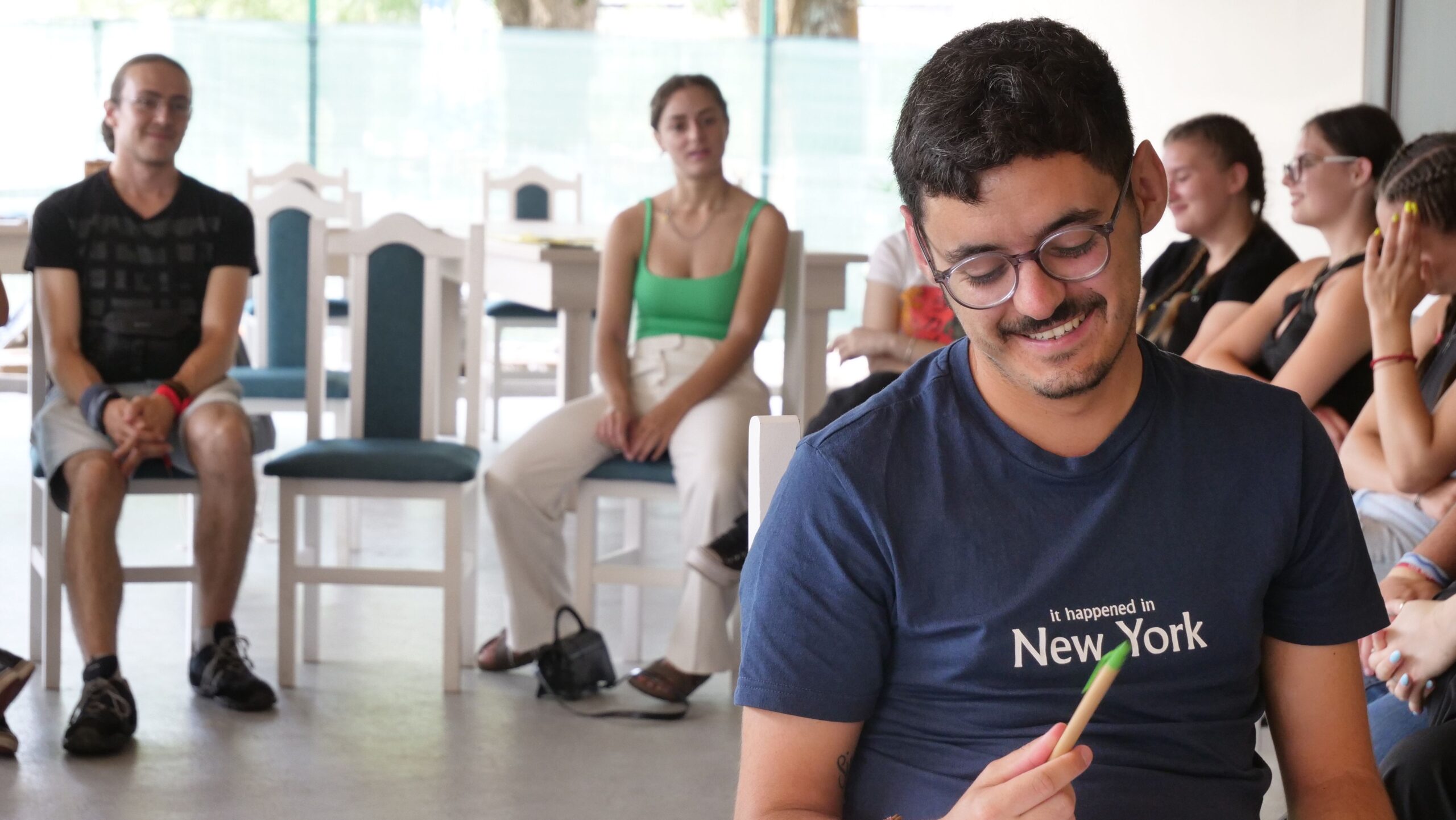
The next day they explored the different meanings of critical thinking. They shared what a relevant question means to them, as one of the cornerstones of critical thinking is asking the right questions. As the common denominator of the project is media, the daily activities were also outlined in this light throughout the programme.
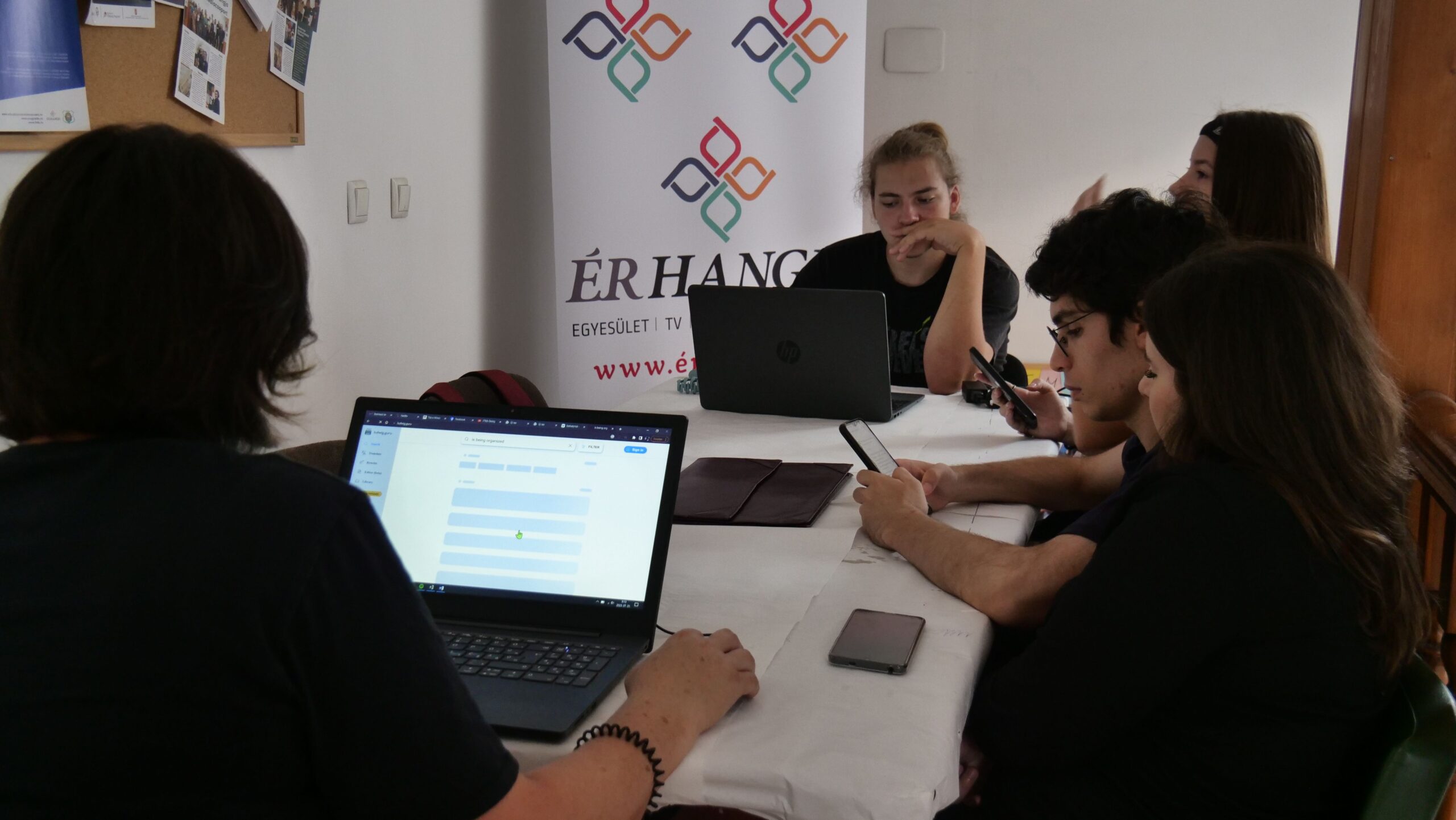
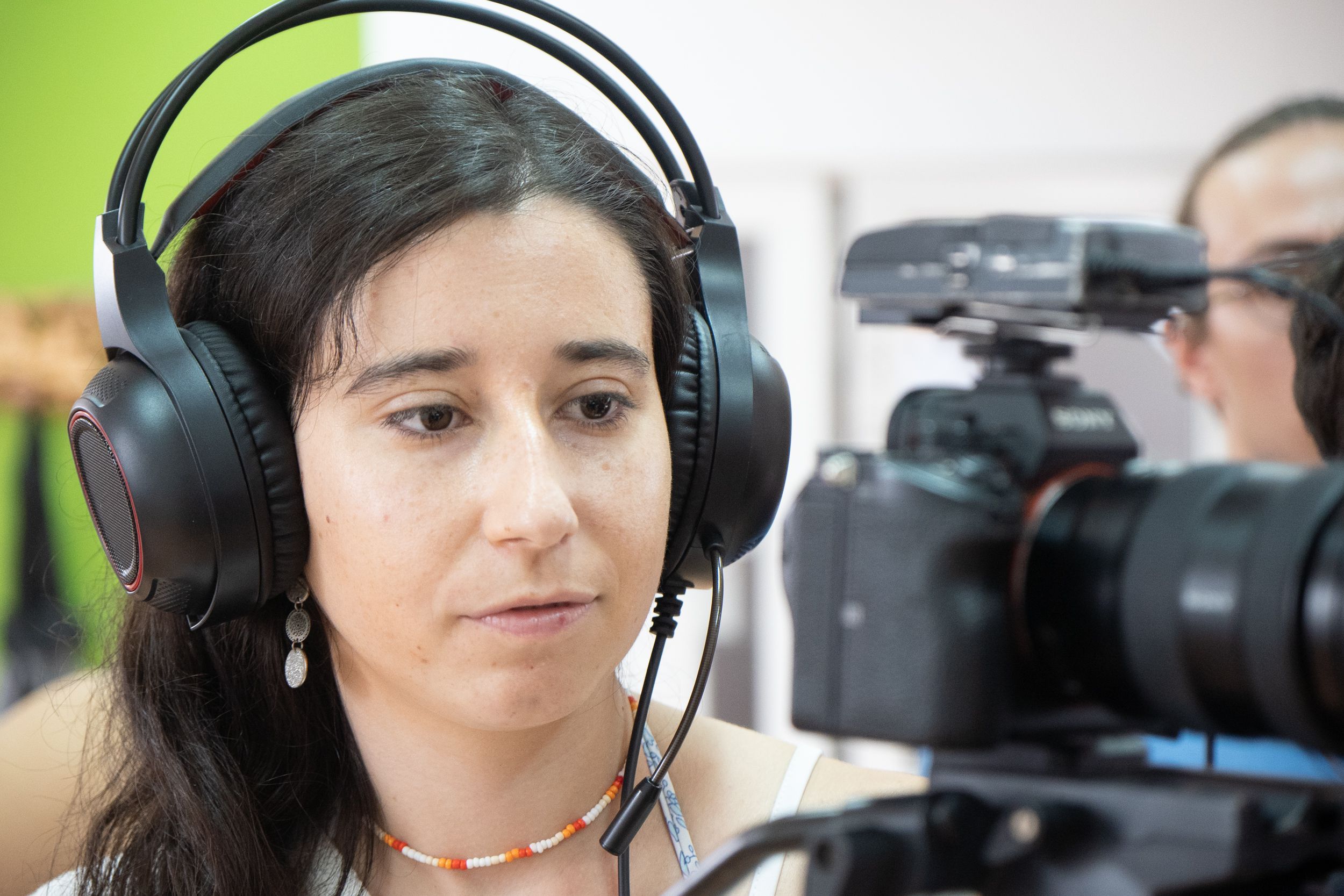
Among other things, they investigated websites that either spread fake news or are otherwise unreliable, and had to find out why these sites are not trustworthy. But they also had the opportunity to visit the Ér Hangja Association’s studio, where they got a lot of new information. With the help of our staff, they learned how to use a camera, how to make podcasts and interviews and how to produce news and blog articles. After a short theoretical introduction, they put what they learned into practice, producing podcasts, interviews and blog articles in several languages.
They had to put this knowledge to use later, as another exercise involved making short two-minute instructional videos on four pre-determined topics: cyberbullying, fake news, catfishing (a deceptive activity in which a person creates a fictitious or fake identity on a social networking site, usually targeting a specific victim) and hacking (unauthorised intrusion into another person’s electronic device to cause damage). These short videos will be used to raise awareness of these issues on social media platforms.
On the seventh day of the project, participants explored the topic of gossip. In addition to society’s negative attitudes towards gossip, the positive effects of gossip were discussed, as well as the social, psychological and sociological aspects of the phenomenon, which is now present in the online space as technology evolves.


Special national evenings in the spirit of multiculturalism
At the end of the ten-day event, participants produced an awareness-raising booklet on the dangers of social media and its conscious use. After distributing the brochures to passers-by in the centre of Săcueni, the young people presented the results of their work to the locals to raise awareness of the risks that can be found on the internet on a daily basis. The work can be viewed on the Erhangja International Facebook page and on the-mediamaze.blogspot.com.
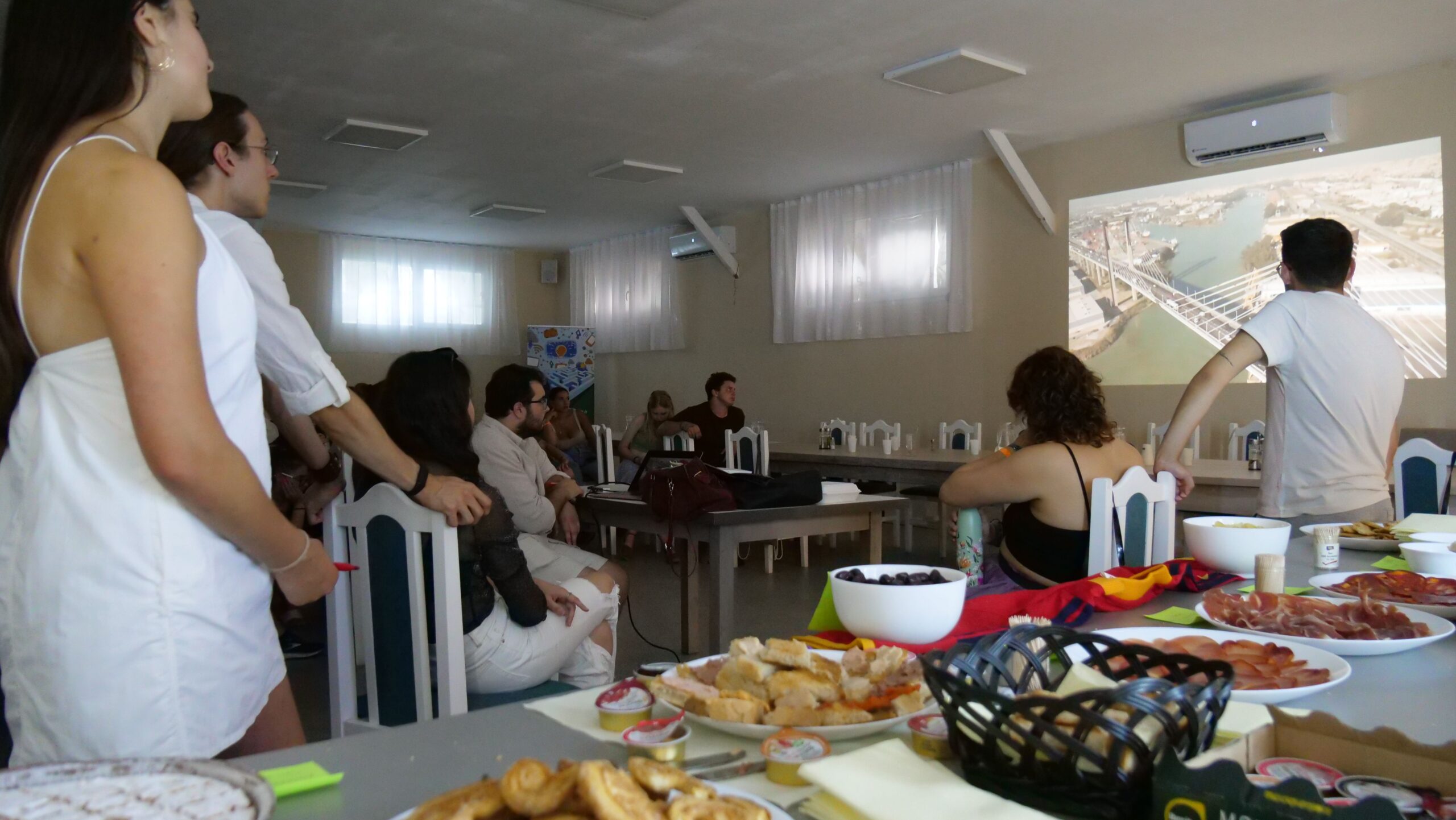
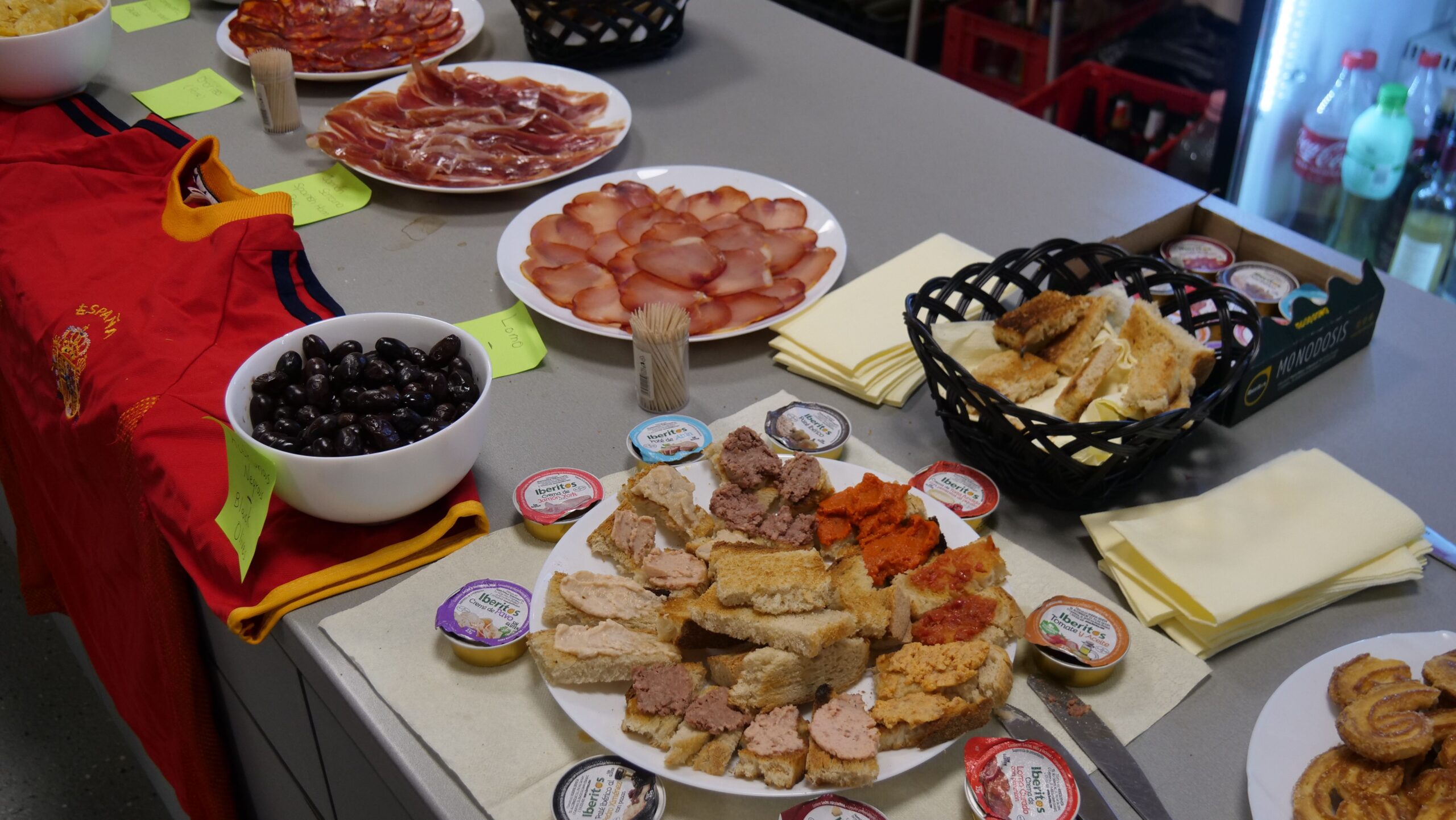
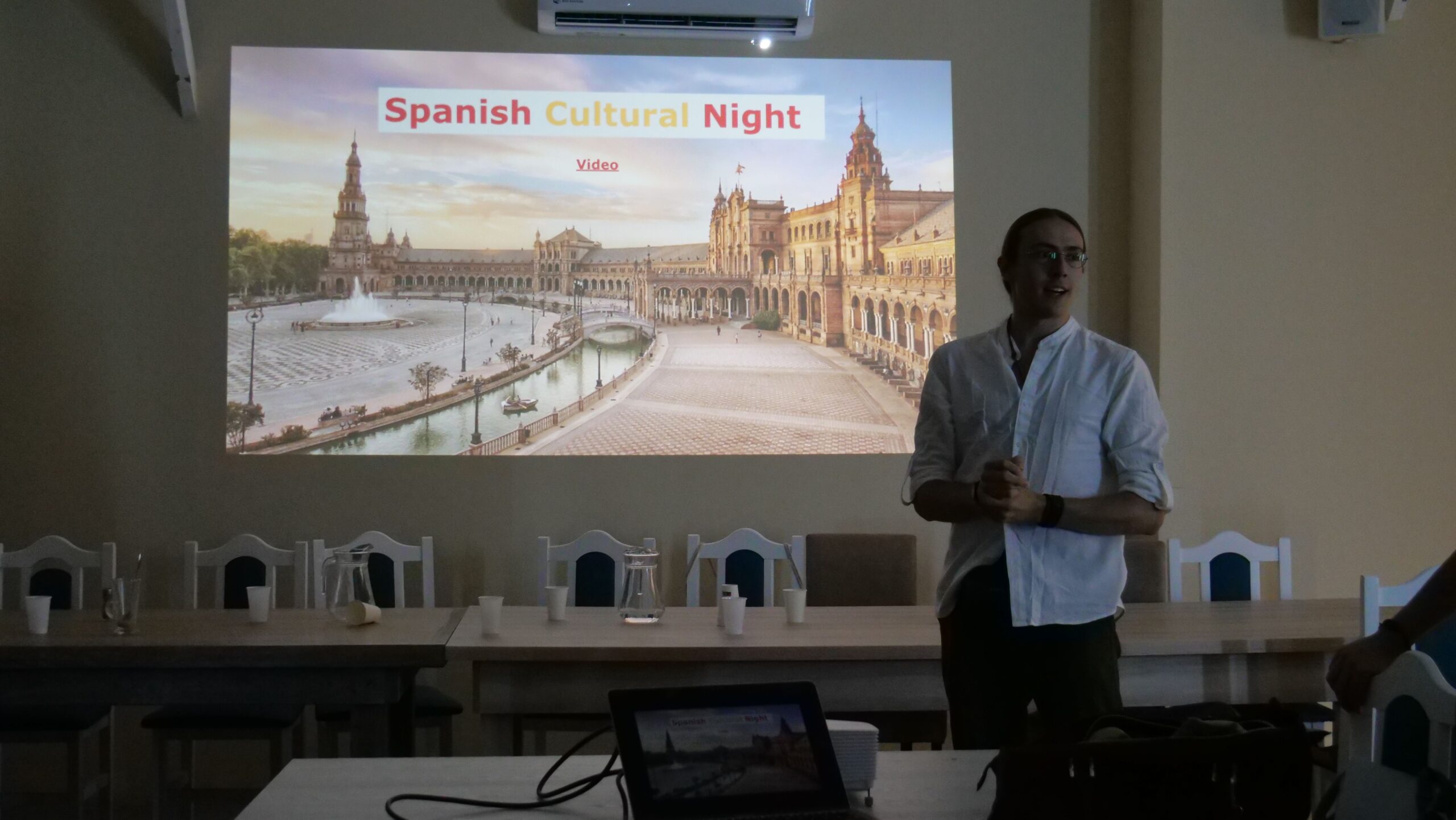
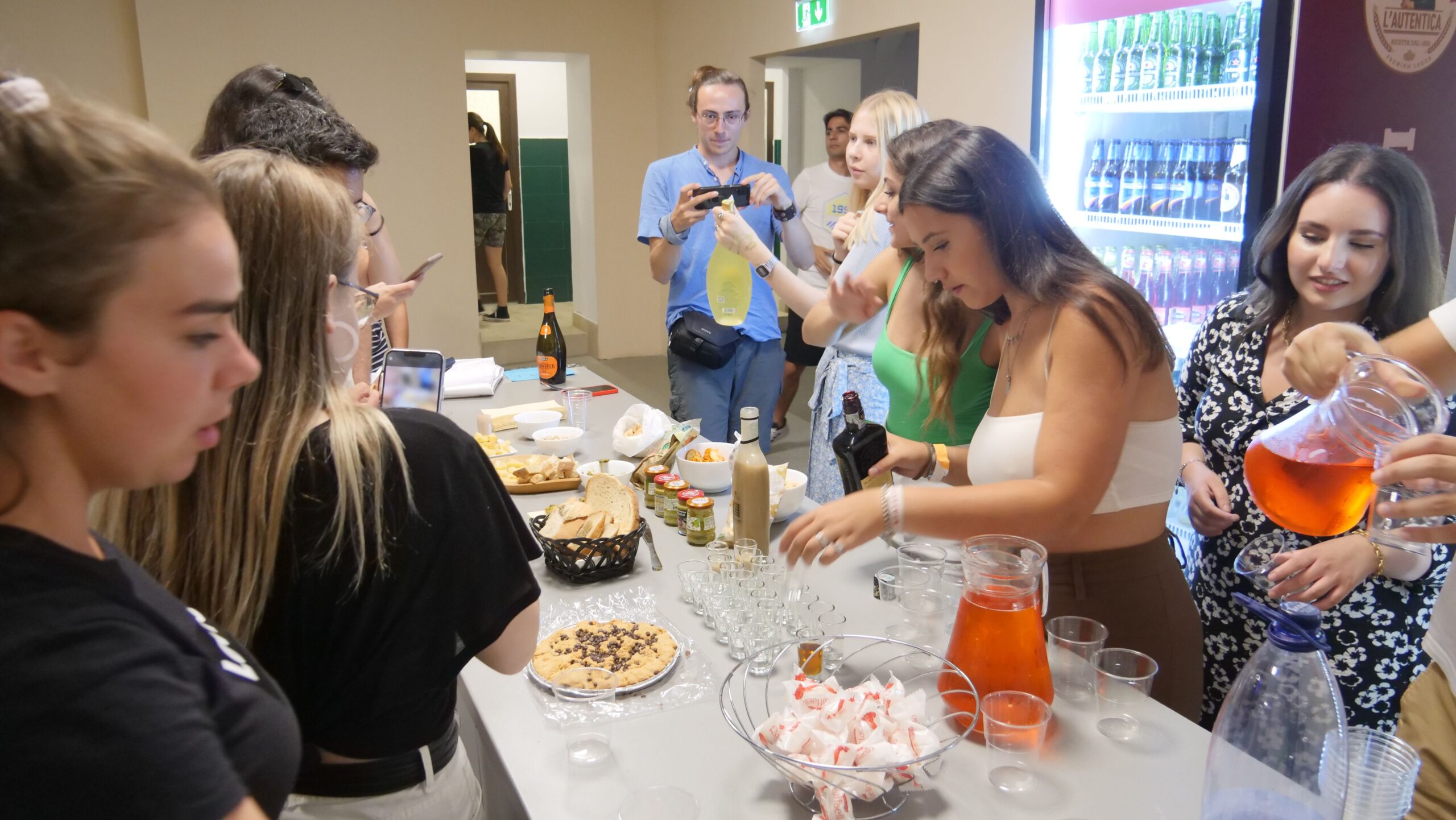
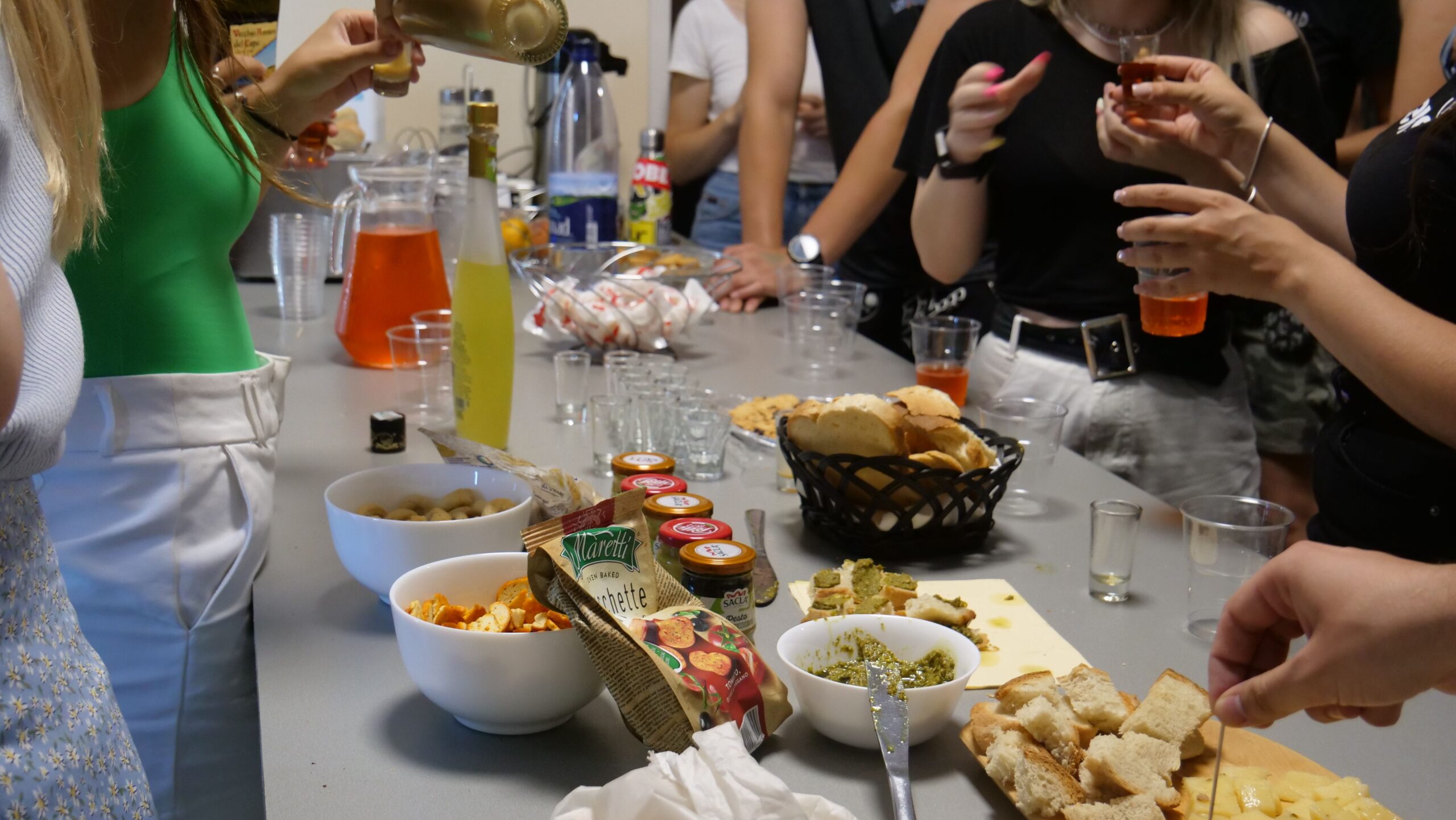
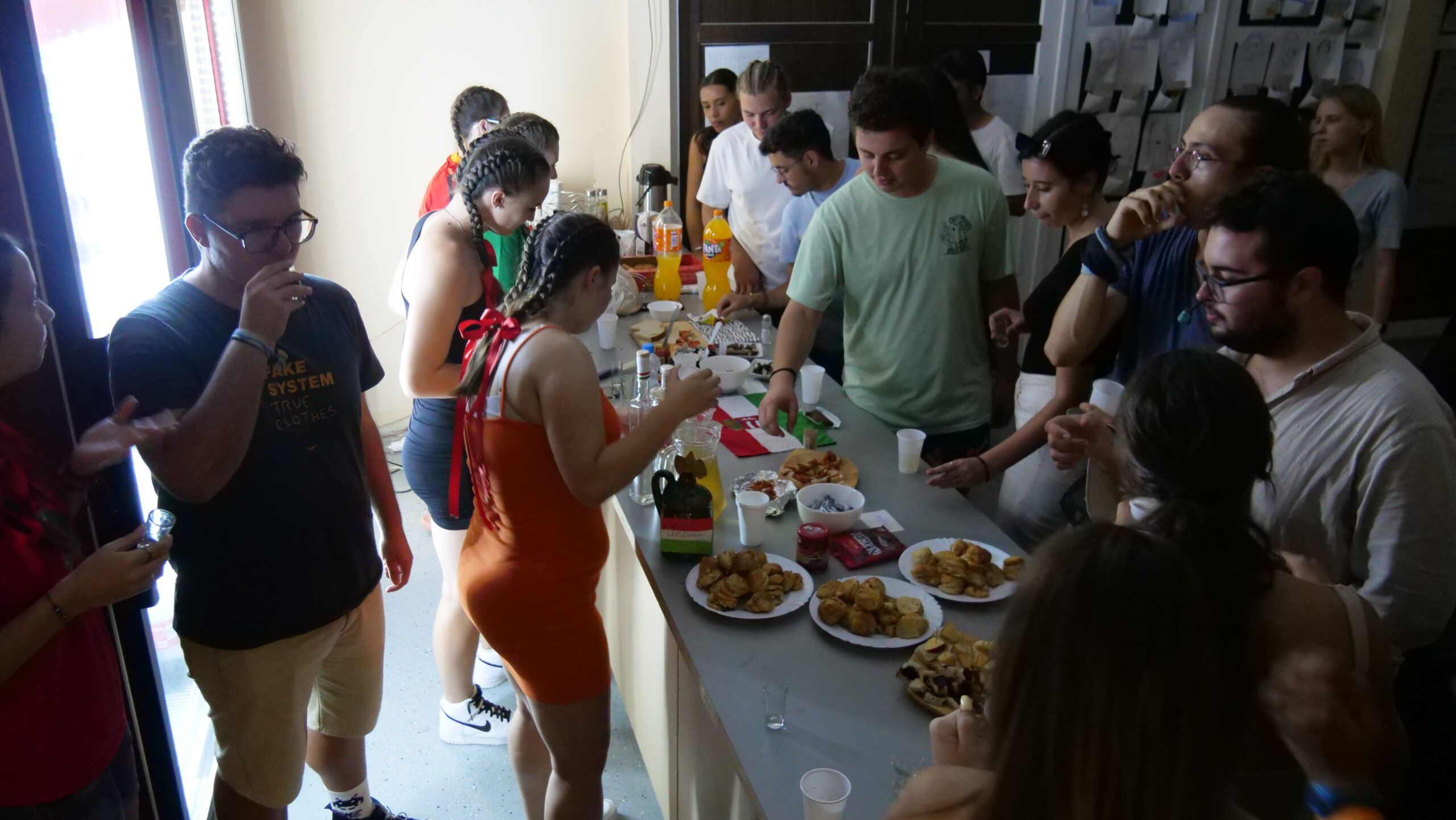
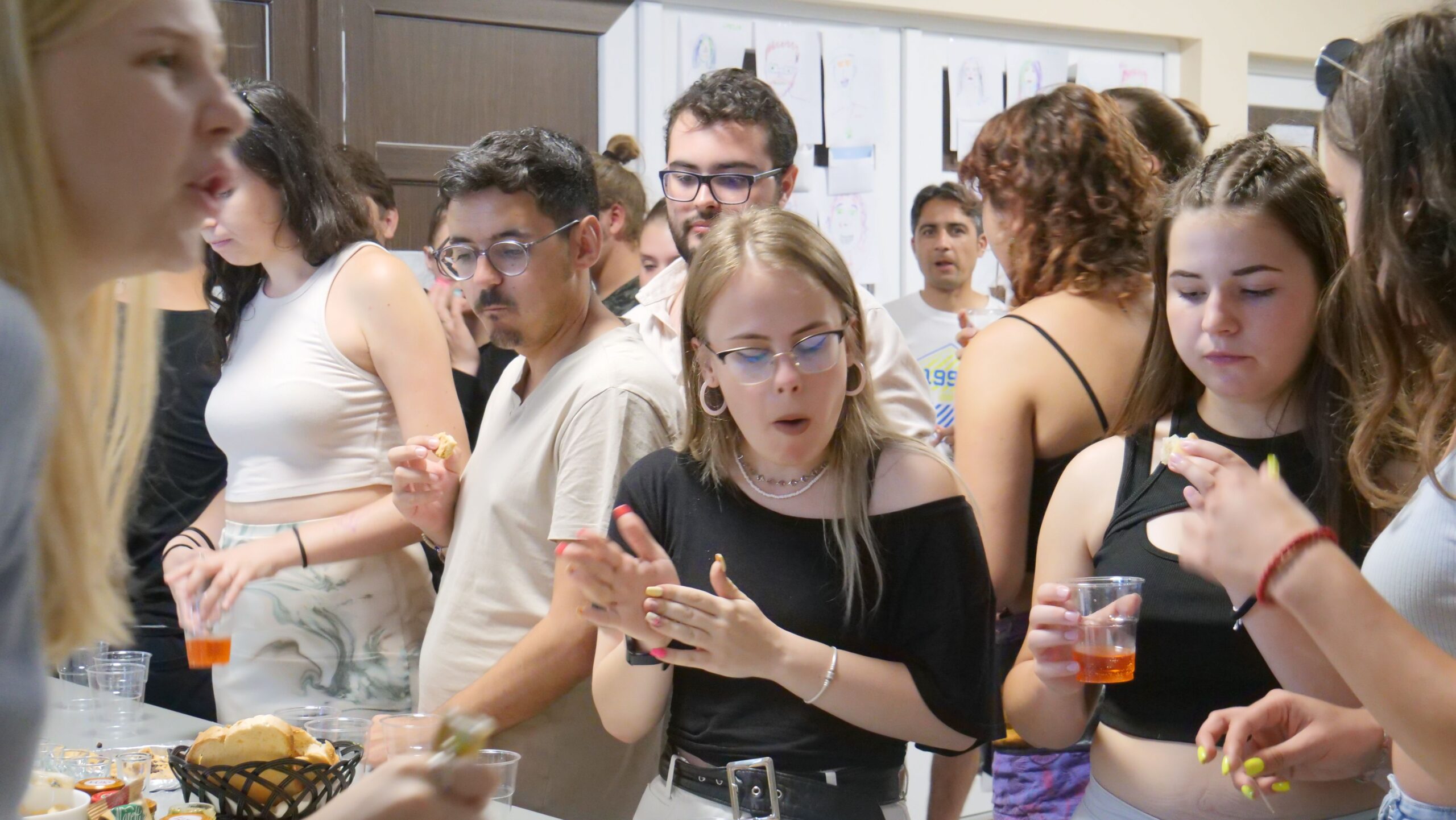
As well as working and learning, there was time for fun and learning about each other’s cultures. In the national series, teams from the four countries presented the sights, cultural heritage and national curiosities of their countries. At the same time, we tasted Spanish, Italian, Romanian and Hungarian delicacies and learned some of their simpler dances. These evenings not only featured the songs of each nation, but throughout the evening everyone danced to the known and lesser known hits of their country.
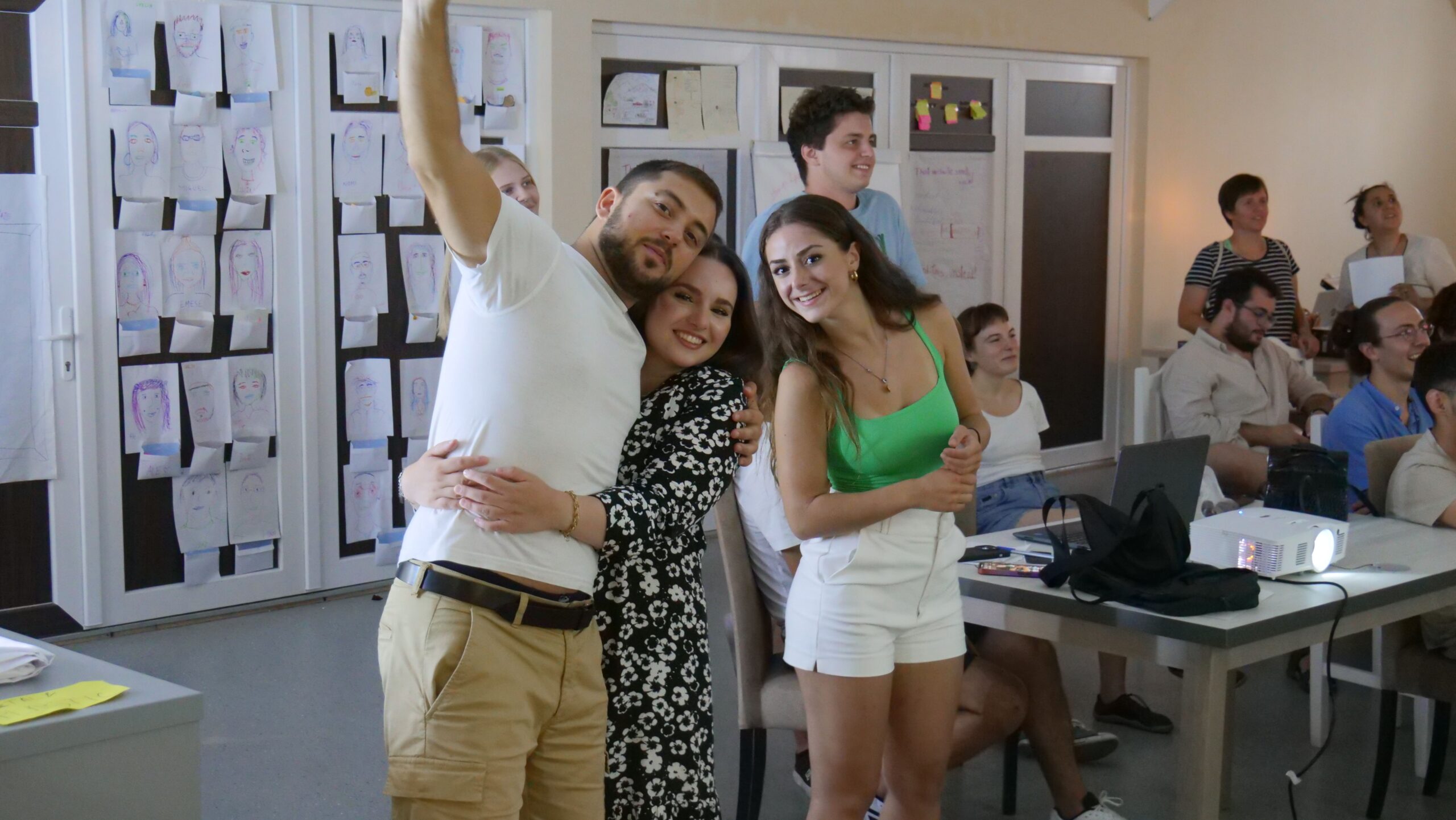
It’s no exaggeration to say that over the ten days, the more than thirty participants from the four countries formed a real team, as evidenced by the fact that the last day of the project was a tearful farewell day. Fate brought together people who always treated each other with respect and understanding. The enthusiasm and seriousness with which the young people carried out the tasks entrusted to them was exemplary, as was the openness with which they treated each other and each other’s cultures.
As project participants took part in a wide range of non-formal and informal learning activities, they all received a YouthPass certificate, recognised throughout Europe, which will be useful in their professional lives.
The project was implemented by the Ér Hangja Association with the support of the Erasmus+ Youth Exchange Programme.